News
The Next Battleground: Are “Smart Cells” the Only Way Forward?
The global battery race isn’t just about building bigger factories; it’s about rethinking the fundamental architecture of the battery itself. While the industry scrambles to meet the demand for EVs and Battery Energy Storage Systems, the reality is that traditional, module-based monitoring systems are hitting a wall.
To truly scale, we need to stop looking at batteries as rigid blocks and start treating them as intelligent, individual units.
The Problem: The “Wired” Bottleneck Most current Battery Management Systems (BMS) rely on complex wiring to monitor groups of cells. This approach introduces latency, restricts design flexibility, and creates “blind spots” where anomalies can hide until it’s too late. As we push for higher performance, this legacy architecture is becoming a liability.
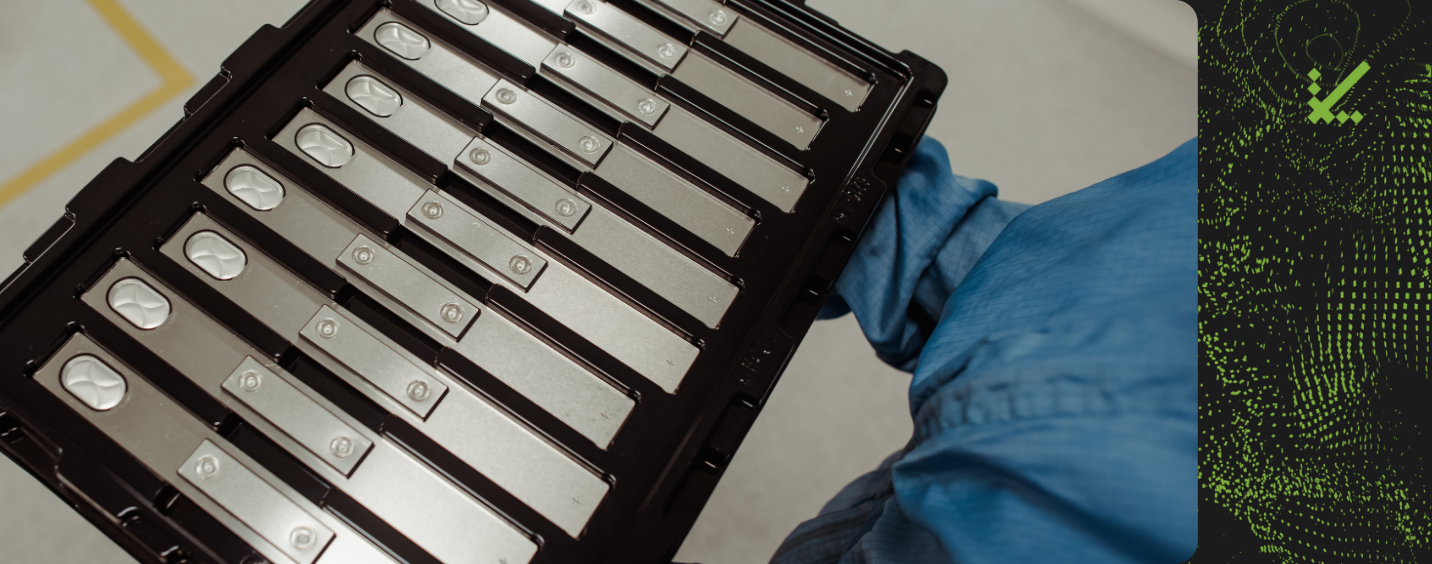
The Solution: Decentralized Intelligence The future lies in “Smart Cells”- embedding sensing, processing, and memory directly onto every single cell. This isn’t just an incremental upgrade; it is a paradigm shift in how we manage energy.
Why this matters now:
-
Unmatched Safety: By monitoring every cell individually, we can detect thermal runaway risks earlier than ever before.
-
Unlocked Potential: Direct, noise-free data allows us to reduce excessive safety margins, unlocking more usable energy from the same footprint.
-
True Scalability: Moving away from fixed modules allows for bespoke, application-specific designs-crucial for industrial electrification.
-
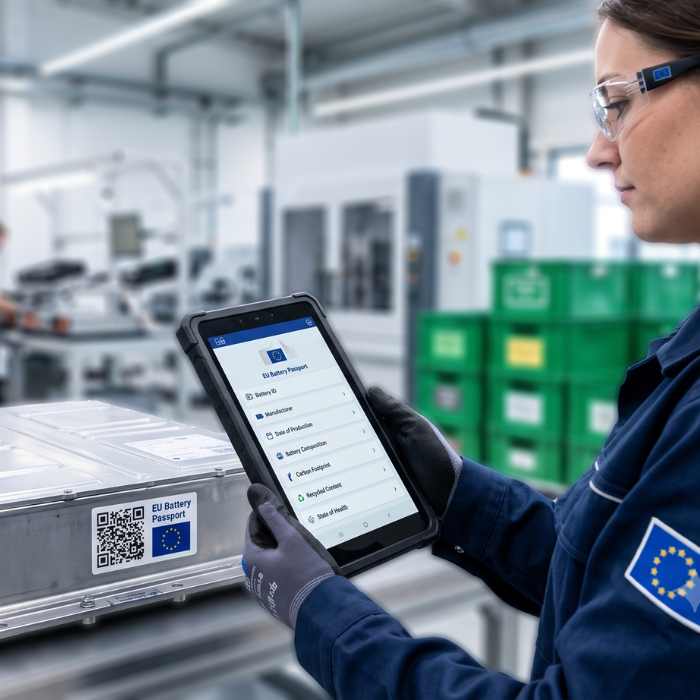
The Circular Economy: With on-cell memory, every battery carries its own “passport” of health and usage history, making second-life verification seamless.
The Roadmap Delivering this vision requires abandoning the tangle of wires for contactless, near-field communication. By integrating high-accuracy sensors and digital processing directly onto the cell, we can achieve synchronized, real-time data across hundreds of cells without the manufacturing nightmare of traditional harnesses.
The window to adopt these next-generation architectures is open. To stay competitive, the industry must embrace intelligence at the edge-otherwise, we are building tomorrow’s gigafactories on yesterday’s technology.
Inspiration for text: batterytechonline.com